English
 Tiếng Việt
THE NATIONAL ASSEMBLY HAS PASSED A RESOLUTION TO ESTABLISH DONG NAI CITY AND AMEND FOUR TAX LAWS: KEY PROVISIONS
1. General Information
On April 24, 2026, at the First Session of the 16th National Assembly, the National Assembly voted on and passed several important items, notably:
- Resolution on the establishment of Dong Nai City;
- Law Amending and Supplementing 4 Tax Laws including: Personal Income Tax, Value-Added Tax, Corporate Income Tax, and Special Consumption Tax.
These are policies of great significance regarding both territorial administrative organization and fiscal and tax policies.
2. Establishment of Dong Nai City: Creating a New Growth Hub
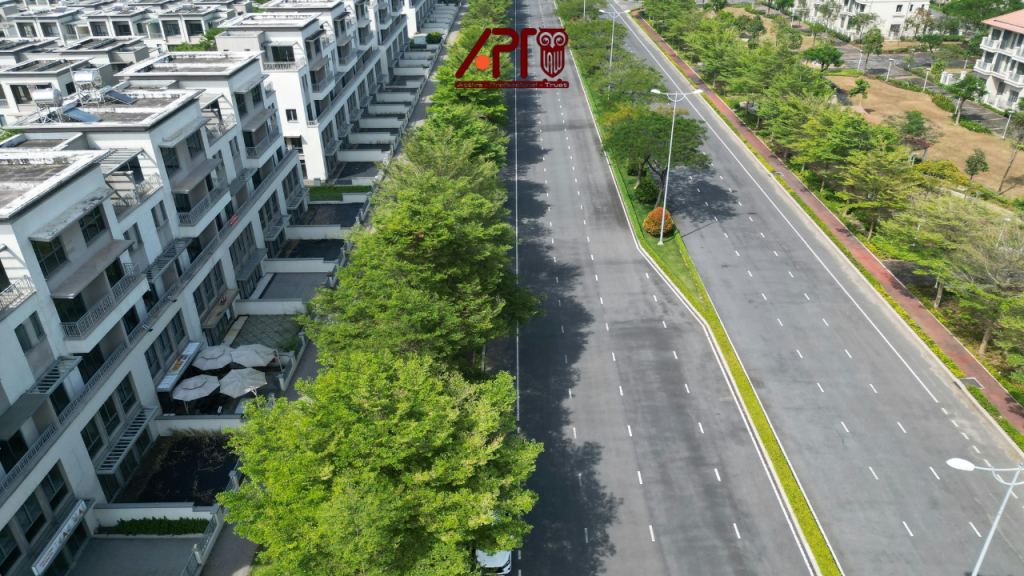
The National Assembly has officially passed the resolution to establish Dong Nai City with a very high approval rate.
Key points:
- Dong Nai City was established based on the entire area and population of the current Dong Nai Province;
- The resolution takes effect on April 30, 2026;
- Local governments will be reorganized in accordance with the city model.
This upgrade is expected to:
- Establish a large-scale economic, industrial, and logistics hub in the Southeast region;
- Strengthen regional connectivity with Ho Chi Minh City and neighboring localities;
- Create new drivers for development in the context of urbanization and deep economic integration.
3. Coordinated amendments to 4 tax laws: Aiming for support and fairness

Along with the decision on administrative boundaries, the National Assembly passed the Law Amending Four Important Tax Laws, with the main focus:
- Supporting business households, individuals, and enterprises, particularly small and medium-sized enterprises;
- Ensuring fairness in tax policy;
- Encouraging the transition from small businesses to corporate models.
Some key points:
- Increase the tax-exempt revenue threshold for household businesses (expected to rise to approximately 1 billion VND/year);
- Avoid “rigidly setting” certain thresholds in the law, instead delegating detailed regulations to the Government to flexibly manage the policy.
5. Policy Significance: Combining Administrative and Fiscal Reforms
The simultaneous adoption of provisions regarding:
- Reorganization of administrative units (Dong Nai);
- Tax policy reform
demonstrates a comprehensive management approach, including:
- Restructuring the development landscape;
- Creating a more favorable business environment;
- Improving management efficiency and budget collection.
This is a coordinated approach between regional development – institutional reform – fiscal policy adjustments.
6. Impact on Businesses and the Market
These policies are expected to have significant impacts:
- For businesses:
- Reducing the tax burden on small and medium-sized enterprises;
- Increase incentives for expansion and business model transformation;
- For the real estate – investment market:
- The establishment of Dong Nai City could boost investment capital and infrastructure development;
- For the economy:
- Contribute to the formation of a new growth pole in the Southeast region;
- Increasing the flexibility of tax policy in macroeconomic management.
The resolutions dated April 24, 2026 clearly reflect the government’s policy direction for the new phase: combining administrative restructuring with fiscal policy reform.
In this context, the establishment of Dong Nai City and the amendment of four tax laws are not merely of legal significance, but also serve as strategic levers to promote economic growth, enhance competitiveness, and improve the institutional framework for long-term development.