English
 Tiếng Việt
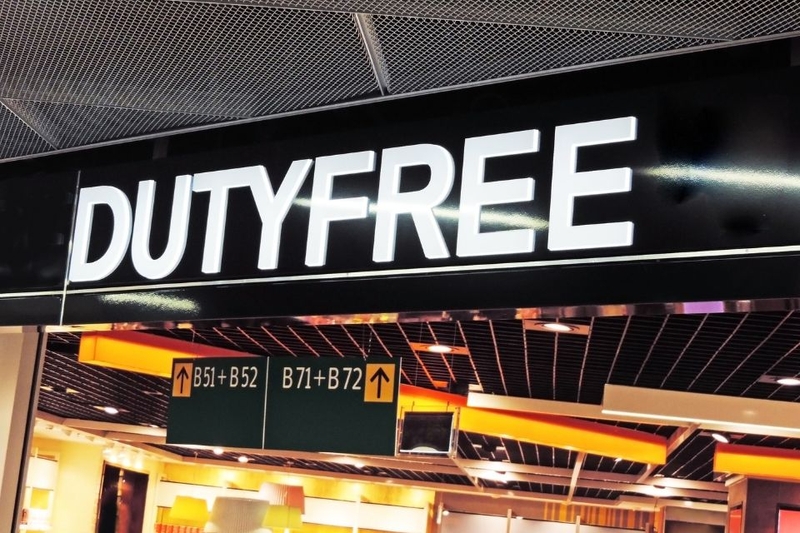
Decree 273/2026/ND-CP: Key highlights on duty-free goods business
Decree No. 273/2026/ND-CP: Key Changes in Duty-Free Business Operations
On July 7, 2026, the Government issued Decree No. 273/2026/ND-CP on duty-free business operations, which took effect on August 21, 2026. The Decree replaces Decree No. 100/2020/ND-CP and marks a significant shift in the State’s regulatory framework for duty-free business operations, with a focus on modernizing administrative procedures and strengthening enterprises’ compliance responsibilities.
Clarifying and Expanding Eligible Purchasers and Conditions for Duty-Free Purchases
One of the key focuses of Decree No. 273/2026/ND-CP is to provide more specific and detailed regulations on the categories of persons eligible to purchase duty-free goods and the locations where such goods may be collected, thereby enhancing transparency and facilitating customs control.
Accordingly, the Decree provides clearer classifications of eligible purchasers, including departing, transiting and arriving passengers; persons entitled to diplomatic privileges and immunities; crew members of international seagoing vessels; passengers on international flights; and duty-free business operators.
In particular, the Decree clarifies various scenarios for purchasing and collecting duty-free goods. Passengers awaiting departure may purchase goods at duty-free shops located in domestic areas and collect them at designated counters in restricted areas, or have the goods delivered for collection overseas. For arriving passengers, duty-free purchases are permitted only in restricted areas of international airports, immediately after completion of immigration procedures.
These provisions help clearly determine the permitted time and location for duty-free purchases, thereby establishing a clearer legal basis for both purchasers and customs authorities.
Detailed Regulations on Allowances and Purchasers’ Responsibilities
The Decree maintains the existing allowances for duty-free purchases while providing clearer distinctions among different categories of eligible purchasers.
For departing and transit passengers, as well as passengers departing Vietnam on international flights, duty-free purchases are not subject to quantitative or value limits. However, purchasers are responsible for complying with the import regulations of the destination country.
For arriving passengers, duty-free allowances are determined in accordance with Decree No. 134/2016/ND-CP.
A notable provision concerns specific allowances for alcohol, beer and tobacco applicable to crew members. For example, each crew member may purchase up to 1.5 liters of alcoholic beverages with an alcohol content of 20% or higher, or 200 cigarettes, during each period in which the vessel is berthed.
The introduction of specific quantitative limits demonstrates a more stringent approach to duty-free management and aims to prevent abuse of duty-free privileges.
Strengthening Customs Management Through Electronic Data Systems
A major change introduced by Decree No. 273/2026/ND-CP is the increased application of information technology and the transition from manual procedures to electronic customs management.
Duty-free business operators are required to transmit most relevant information and supporting documents—including records of goods entering and leaving duty-free premises, delivery and receipt records, and cash statements—to the Electronic Customs Data Processing System.
Customs authorities will primarily conduct approval, supervision and confirmation procedures through this electronic system within relatively short processing periods, generally two working hours.
This approach is expected not only to reduce administrative time and compliance costs for enterprises but also to enhance transparency, efficiency and timeliness in State management.
Strengthening Inspection, Supervision and Enterprises’ Compliance Responsibilities
Decree No. 273/2026/ND-CP establishes a comprehensive mechanism for the inspection and supervision of duty-free goods, covering the entire process from the movement of goods and sales to final settlement reporting.
Customs authorities may conduct inspections through various channels, including electronic data systems, surveillance camera systems and physical inspections, based on risk management principles or where there are indications of violations.
In particular, the responsibilities of duty-free business operators are strengthened and specified in greater detail. Enterprises are not only required to sell goods to eligible purchasers and comply with prescribed procedures, but are also responsible for the accuracy and completeness of information concerning goods and settlement reports.
Settlement reports must follow the principle of reconciliation between goods received, goods released and closing inventory, and must be consistent with the enterprise’s accounting records and supporting documents.
This serves as an important basis for customs authorities to conduct inspections and assess the enterprise’s level of legal compliance.
Strengthening the Responsibilities of Duty-Free Purchasers
The Decree also clarifies the obligations of persons purchasing duty-free goods.
Purchasers are required to present the documents prescribed by law and may not allow another person to use their passport, travel document or duty-free allowance.
Where a purchaser exceeds the applicable duty-free allowance, the purchaser is responsible for making the required customs declaration and paying the applicable taxes in accordance with law.
Legal Recommendations for Duty-Free Business Operators
The shift toward electronic and risk-based customs management brings significant benefits but also imposes higher compliance requirements on duty-free business operators. To adapt promptly to Decree No. 273/2026/ND-CP, enterprises should proactively:
-
Review and upgrade their information technology infrastructure: Ensure that their internal management systems are capable of connecting and exchanging data seamlessly with the Electronic Customs Data Processing System.
-
Develop or revise internal procedures: Update procedures for inventory management, sales, accounting and reporting to ensure compliance with the new requirements concerning information, processing deadlines and responsibilities.
-
Provide training and guidance for employees: Train sales, accounting, warehouse and logistics personnel on the new procedures, particularly those concerning the verification of eligible purchasers and the electronic transmission of required data.
-
Strengthen settlement reporting: Prepare and maintain complete and accurate data and supporting documents to ensure that settlement reports are accurate, submitted within the prescribed deadlines and readily available for customs inspection when required.
Conclusion
Decree No. 273/2026/ND-CP represents an important step toward further developing and modernizing the legal framework governing duty-free business operations in Vietnam.
Through new provisions on eligible purchasers, duty-free allowances, electronic customs procedures and enterprises’ compliance responsibilities, the Decree reflects a clear shift toward modern, transparent and digitalized customs management.
Duty-free business operators should carefully assess the regulatory changes and proactively adjust their internal systems and procedures. By treating legal compliance as a strategic priority, enterprises can not only mitigate regulatory risks but also enhance operational efficiency and promote sustainable business development under the new regulatory framework.